Clear information before you call
Auto Frame Repair in Los Angeles.
Understand the service, what to look for, and what information can make the first conversation more useful.
01Auto Frame Repair in Los Angeles
A collision can leave obvious body damage, but the visible dent or broken bumper does not always explain the full condition of the vehicle. Friendly Collision Center provides auto frame repair in Los Angeles and can assess whether the concern belongs within frame repair, auto body repair, bumper repair, paint work, or a combination of confirmed services.
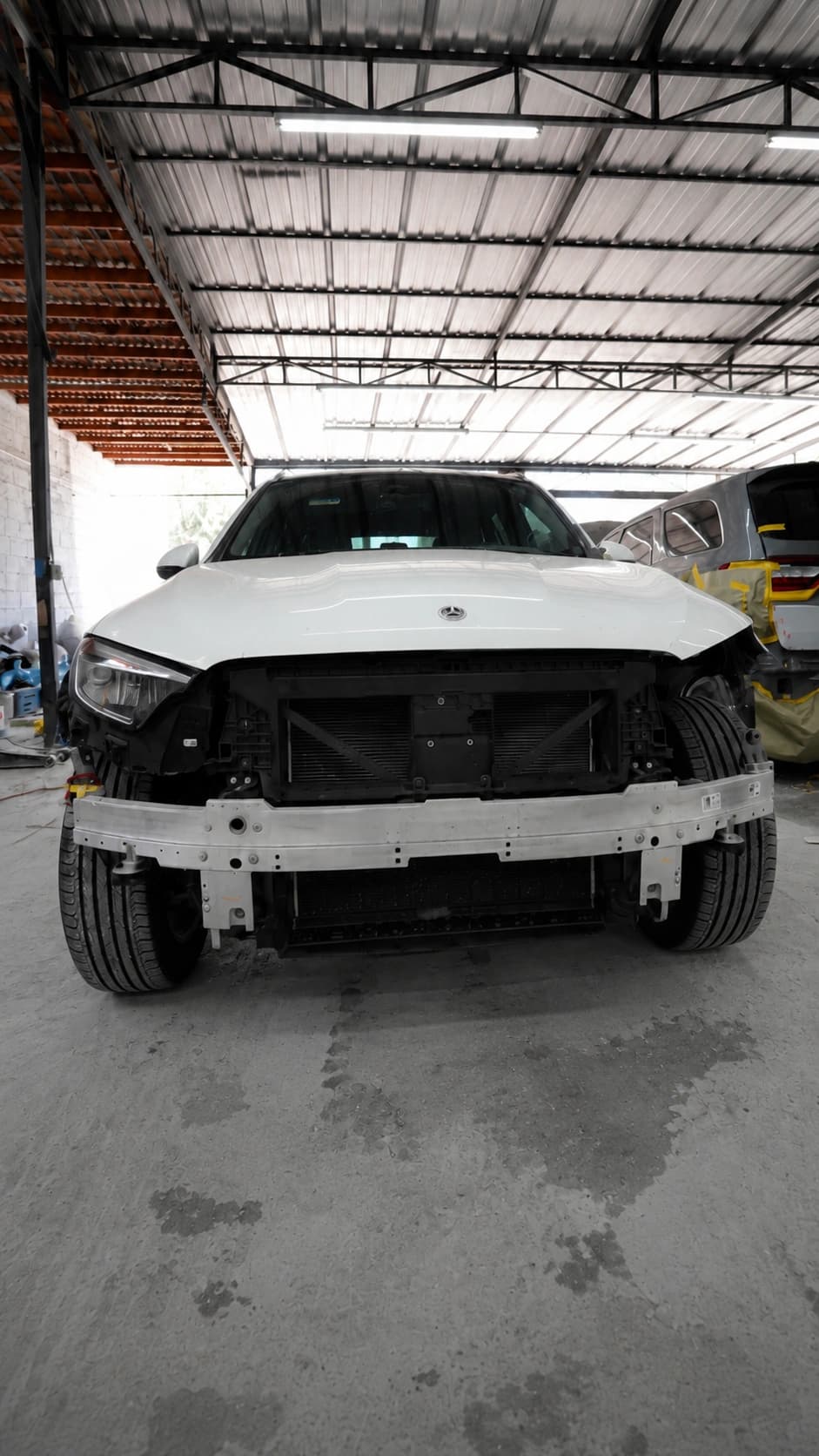
Start by explaining how the impact happened and what changed afterward. Photos and visible symptoms can help begin the conversation, but they cannot establish structural condition or the complete repair plan. The vehicle should be assessed before anyone confirms the affected areas, repair scope, price, timing, or whether it should be driven.
02What a Frame-Repair Assessment Should Consider
Useful starting information includes the direction and severity of the impact, the areas that were struck, visible panel gaps, changes in how doors, the hood, or the trunk open and close, damage beneath the vehicle, and anything that now appears uneven or out of place. Mention new noises, vibration, pulling, warning messages, or changes around a wheel or tire. These observations can support an inspection, but none proves frame damage by itself.
The assessment may need to distinguish visible outer-panel damage from concerns involving underlying or structural areas and determine how related parts influence the repair plan. Friendly also confirms auto body repair, bumper repair, and auto paint services. The team can explain which services apply after examining the specific vehicle rather than treating every collision as the same kind of frame-repair job.
03Signs It Is Worth Asking for a Frame Assessment
Ask Friendly about a closer assessment after a significant front, rear, or side impact, or when body damage is accompanied by uneven gaps, a door that no longer closes normally, a hood or trunk that appears shifted, a bumper or panel that sits out of alignment, or an unusual change around a wheel. You should also describe new pulling, vibration, noises, dashboard warnings, or fluid leakage after the collision.
These signs can have more than one cause, and a webpage cannot determine whether the frame is damaged or whether the vehicle is safe to drive. If operation feels unsafe, visibility is obstructed, a wheel or tire appears compromised, parts are loose, fluids are leaking, or a warning indicates a serious concern, avoid relying on the vehicle until an appropriate professional can advise you on the next step.
04What to Have Ready for the Estimate Conversation
Have the vehicle year, make, and model ready, along with the date and a plain-language description of the collision. Note where the vehicle was struck, whether it was moving or parked, and every change you noticed afterward. Take wide photos of the vehicle, closer photos of visible damage, and images showing uneven gaps or affected wheels when it is safe to do so.
Bring any existing estimate, claim information, repair history, or relevant correspondence you already have. Ask what the free initial estimate covers, whether an in-person inspection is required, which areas will be considered, how related body or paint work will be explained, and when the shop can reasonably discuss repair options, parts, price, and timing.