Clear information before you call
Car Scratch Repair in Los Angeles.
Understand the service, what to look for, and what information can make the first conversation more useful.
01Start with the scratch, then inspect the damage around it
A scratch can look simple from a few feet away, but the right repair depends on how deeply the damage reaches into the vehicle's finish. Some marks affect only the upper surface, while deeper scratches may reach the color layer, primer, or the panel beneath it. Friendly Collision Center provides car scratch repair in Los Angeles and begins by assessing the affected area before recommending a repair approach.
The goal of the first assessment is to understand what was damaged, whether the surrounding paint or body panel is also affected, and which service may be appropriate. That may include scratch repair, paint work, or auto body repair depending on what the team observes. A photo can help begin the conversation, but an in-person inspection may be needed before the shop can define the work.
02What a scratch-repair assessment may cover
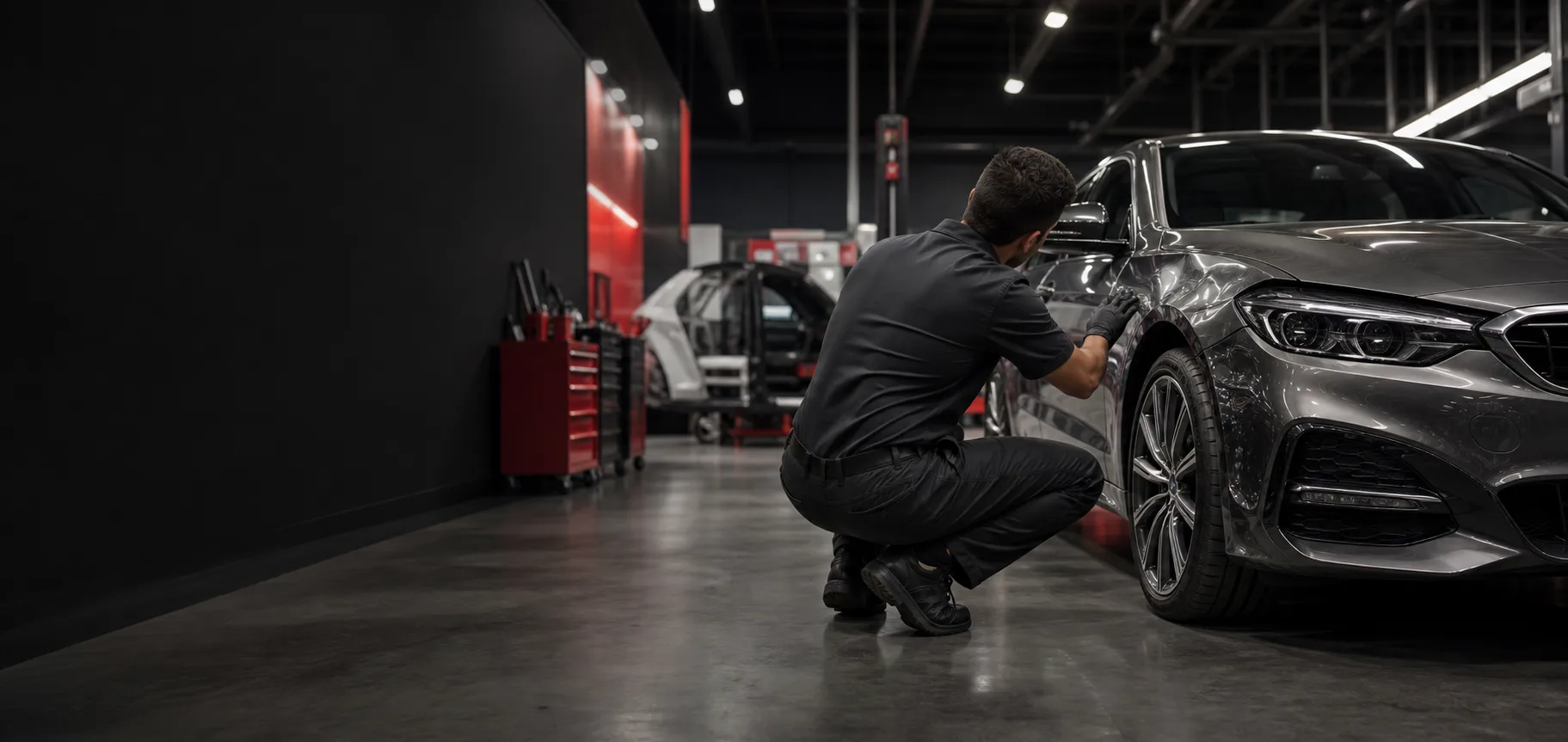
The team can examine the scratch's location, length, depth, and surrounding finish. The assessment can also look for related concerns such as a dent, crease, chipped paint, or body damage near the visible mark. These details matter because two scratches that look similar in a photograph may require different work once the surface is viewed closely.
Friendly Collision Center also offers auto paint and auto body repair services. If the scratch crosses more than one panel, sits beside collision damage, or includes a change in the shape of the panel, the shop can explain whether the concern belongs within one of those related services. The exact method, price, timing, and finish requirements are confirmed only after the vehicle and requested work are assessed.
03Signs the scratch deserves a closer inspection
Consider requesting an assessment when the mark remains visible after ordinary cleaning, when a different-colored layer appears beneath the finish, or when the damaged area feels rough or catches a fingernail. A scratch accompanied by cracked or flaking paint, a dent, a crease, or damage from a collision or parking incident can also involve more than the visible line on the surface.
You do not need to decide whether the mark can be polished, touched up, or refinished before contacting the shop. Describing what happened and showing the affected area gives the team a better starting point without asking you to diagnose the paint layers yourself. If bare material or another urgent concern appears to be exposed, mention that during the first call so the team knows what you are seeing.
04What to share when requesting a free estimate
Have the vehicle's year, make, and model ready along with a short explanation of how the scratch happened. Note which panel is affected, approximately how long the mark is, whether you can see a dent or chipped paint, and whether the vehicle is currently drivable. Clear photos taken in daylight from both close and wider angles can help the team understand where the damage is located.
Friendly Collision Center offers free estimates. Photos can support the initial conversation, but they do not guarantee that the full repair scope can be determined remotely. The shop may need to see the vehicle before confirming the repair recommendation, price, parts or materials involved, and expected timing. Bringing any relevant collision or insurance information can also help you explain the situation, without assuming coverage or approval.