Clear information before you call
Bumper Repair in Los Angeles.
Understand the service, what to look for, and what information can make the first conversation more useful.
01Bumper Repair in Los Angeles
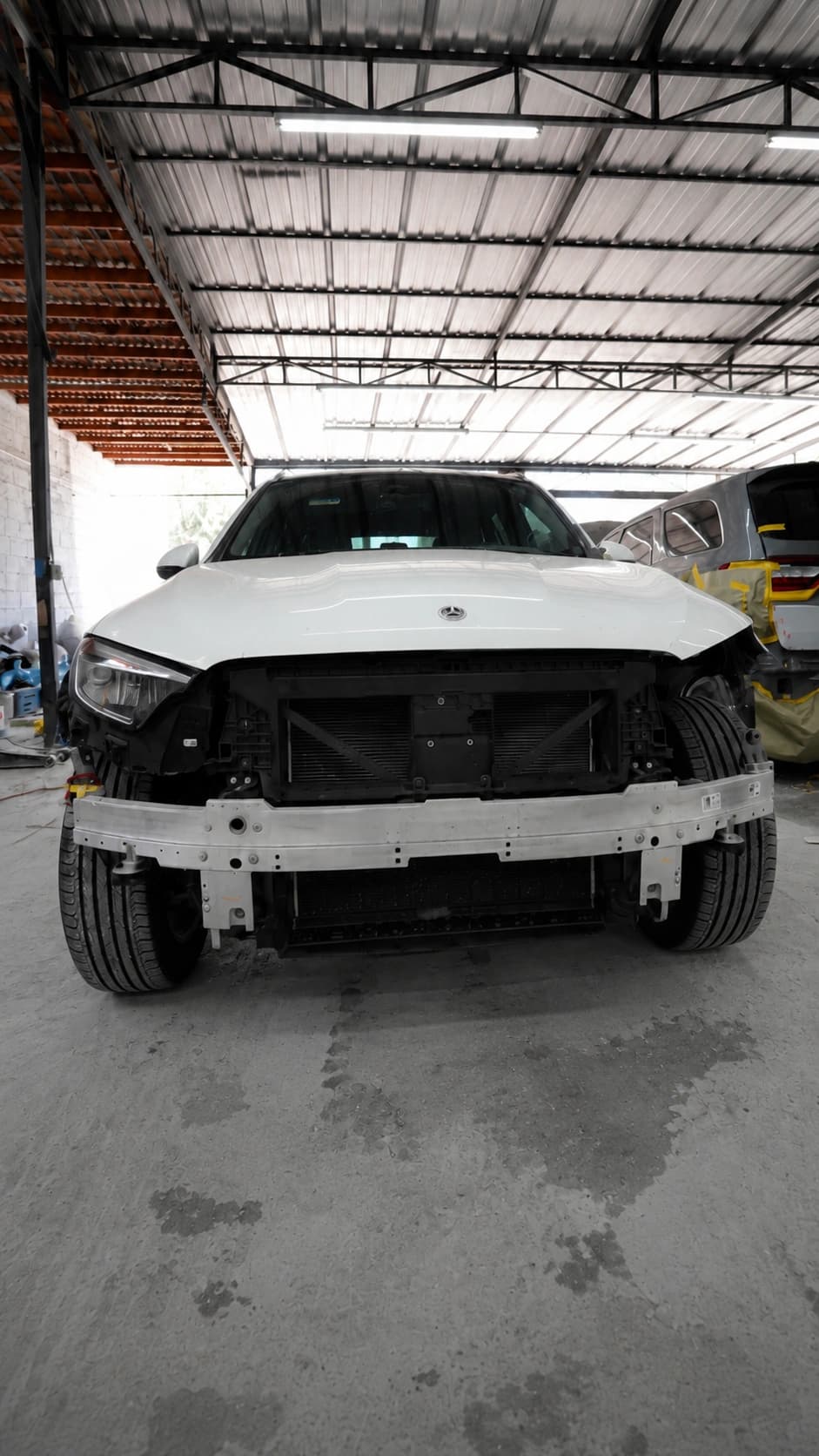
A parking scrape, a low-speed impact, or a larger collision can leave very different kinds of bumper damage. You may see paint transfer, a deep scuff, a dented corner, a crack, a loose edge, or a bumper cover that no longer lines up evenly with the surrounding panels. Friendly Collision Center provides bumper repair in Los Angeles and can help determine which confirmed repair service fits the vehicle.
The outside appearance does not by itself establish whether the best next step is repair, refinishing, replacement, or an inspection of related damage. Start by showing Friendly what happened and what you can see. The team can then explain what needs a closer look before price, timing, or the final repair plan is confirmed.
02What a Bumper Assessment Should Consider
Useful details include whether the damage is on the front or rear bumper, whether the cover is scratched, gouged, dented, cracked, torn, loose, or visibly misaligned, and whether mounting points or nearby panels appear affected. These observations help begin the conversation; they are not a diagnosis and do not prove that damage is limited to the part you can see.
The repair-versus-replacement decision can depend on the location and extent of the damage, the bumper material, previous repairs, the condition of attachment points, and the equipment fitted to that vehicle. Paint or refinishing may also be part of the discussion. Some vehicles place parking or driver-assistance sensors in or behind the bumper area, so tell the shop about warning messages or unusual sensor behavior after the impact.
03Signs It Is Worth Asking About Bumper Repair
Contact Friendly after a front- or rear-end impact when you notice a crack, tear, deep scrape, dent, loose corner, uneven gap, missing fastener, or a bumper cover that appears to rub against another part. You can also ask for an assessment when the damage looks minor but you are uncertain whether anything behind the outer cover needs attention.
If the vehicle has parking sensors, blind-spot features, cameras, or other equipment near the damaged area, mention any new warning message or change you noticed. The appropriate inspection and repair requirements are vehicle-specific. A webpage cannot determine whether the vehicle is safe to drive or whether a particular component can be repaired.
04What to Have Ready for the Estimate Conversation
Have the vehicle year, make, and model ready, along with a short description of the impact and whether the damage is on the front, rear, center, or corner. Clear photos from straight on, from both angles, and close up can help explain the visible concern. Mention looseness, unusual gaps, warning lights, or sensor behavior instead of trying to diagnose the cause yourself.
If insurance is involved, have the claim information and any existing estimate or correspondence available. Ask what the free initial estimate covers, whether Friendly needs to see the vehicle in person, how repair and replacement options will be explained, and when the shop can reasonably discuss parts, price, and timing.