Clear information before you call
Auto Paint Shop in Los Angeles.
Understand the service, what to look for, and what information can make the first conversation more useful.
01Auto Paint Shop in Los Angeles
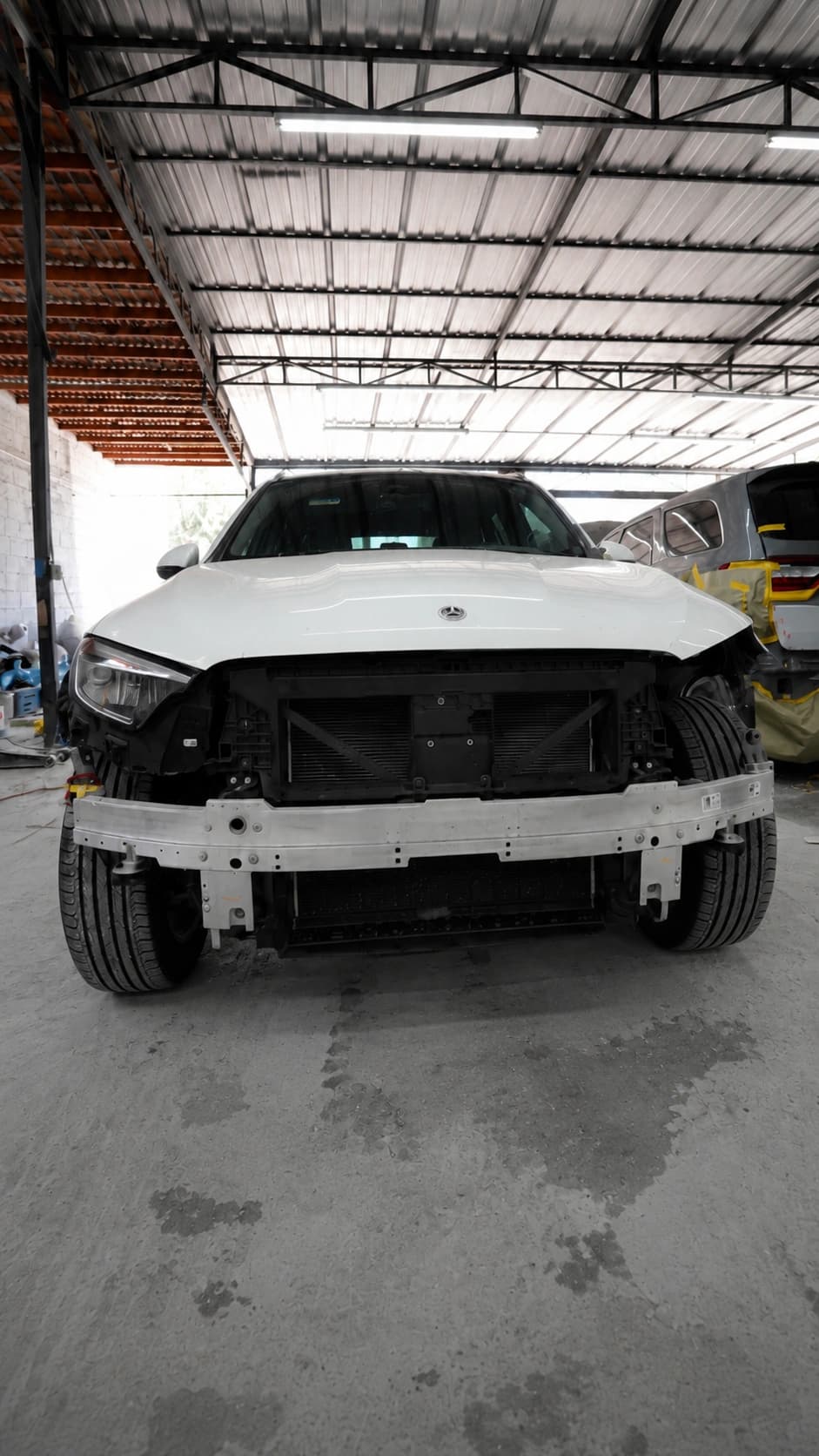
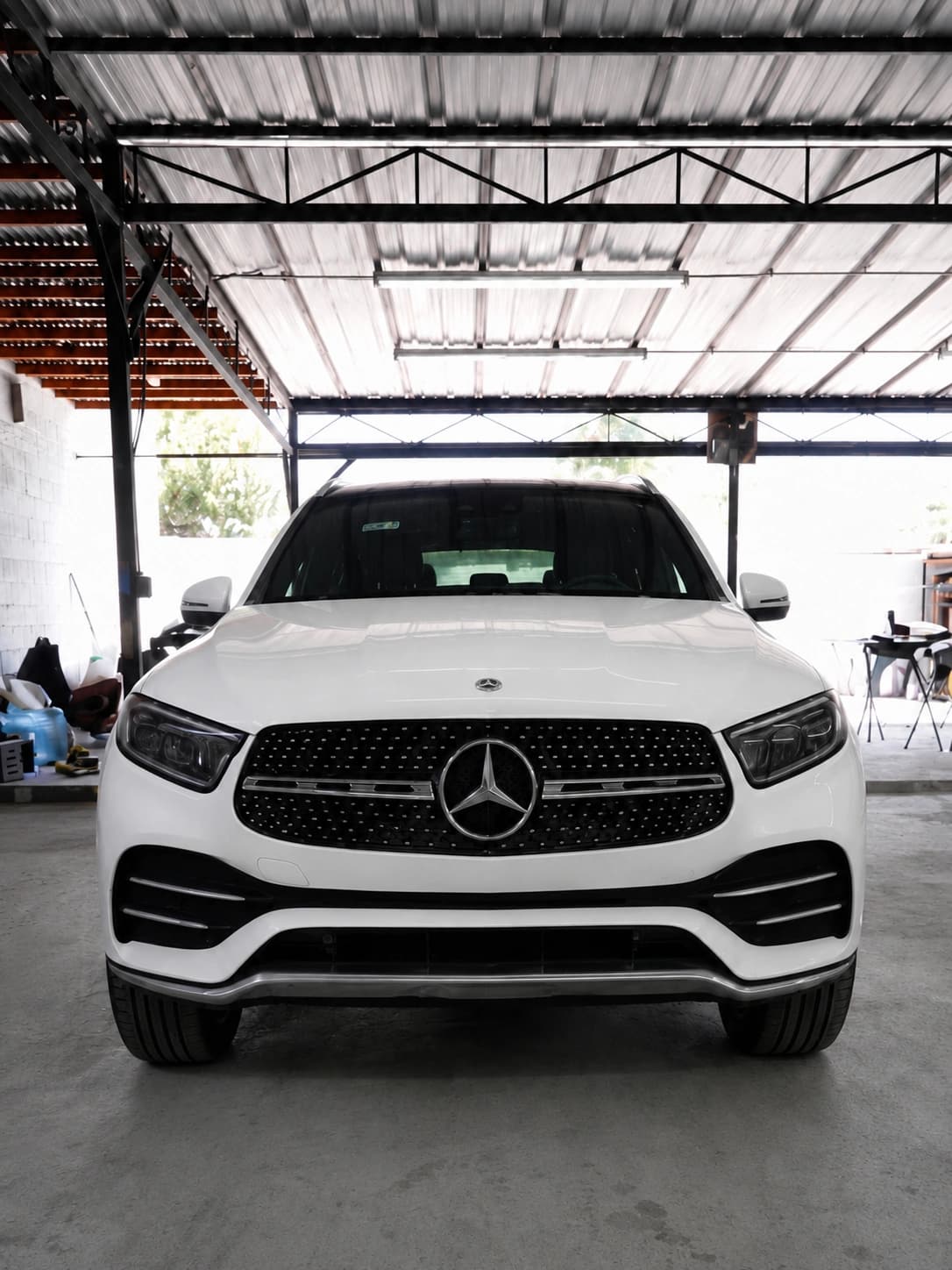
Scratches, chips, scuffs, peeling areas, faded sections, and collision damage can all create different auto-paint concerns. Friendly Collision Center provides auto paint services in Los Angeles and can assess how the visible finish relates to the condition of the affected bumper or body panel.
A photo can help start the conversation, but it cannot establish the complete repair plan. The appropriate next step may depend on the depth and location of the damage, the condition of the surface underneath, nearby body damage, previous paintwork, and the vehicle-specific finish. Friendly can review the concern before confirming scope, price, or timing.
02What an Auto Paint Assessment Should Consider
A useful assessment begins with the affected area and what can be observed: a light surface mark, a deeper scratch, exposed material, chipped paint, peeling or flaking, uneven gloss, fading, paint transfer, or a panel whose color appears different from the surrounding finish. These details help frame the inspection, but they do not determine the repair method on their own.
The discussion may also include the condition of the panel or bumper beneath the finish, whether dents or collision damage need attention first, how far the affected area extends, and whether adjacent panels influence the refinishing plan. Friendly also confirms bumper repair and auto body repair, so the team can explain when paint work is part of a broader repair rather than an isolated cosmetic concern.
03When It Is Worth Asking About Auto Paint Work
Contact Friendly when a scratch catches a fingernail, a chip exposes the layer beneath the finish, paint is peeling or flaking, a scuff remains after gentle cleaning, or a repaired area appears noticeably different from nearby panels. You can also ask after a collision when the bumper or body panel is dented, cracked, scraped, or otherwise damaged along with the paint.
Describe changes in color, gloss, texture, or alignment rather than trying to identify the exact paint procedure yourself. If you see corrosion, exposed material, loose bodywork, warning lights, or damage that may affect safe operation, mention it during the first call so the shop can explain the appropriate next step. This page cannot diagnose the vehicle or determine whether it is safe to drive.
04What to Have Ready for the Estimate Conversation
Have the vehicle year, make, model, and color ready, along with a short description of how the damage occurred and whether the area has been repaired or repainted before. Take one photo showing the entire affected panel, additional photos from different angles, and a close-up that shows the surface condition without filters or heavy editing.
Point out every area you want assessed and explain whether your priority is addressing collision damage, a single damaged panel, a bumper concern, or another visible finish issue. Ask what the free initial estimate covers, whether the vehicle must be seen in person, what preparation or related body work may be needed, and when the team can reasonably discuss the final scope, price, and timing.